
At Carlton Investment Services Group, we believe that building long-term wealth requires more than simply owning a mix of stocks and bonds. Global economic uncertainty and market cycles can impact traditional investments, leaving portfolios vulnerable. That’s why we help clients explore alternative investments which are opportunities outside conventional markets that can add stability, income, and tax efficiency to a well-rounded financial strategy.
Alternative investments refer to assets that don’t move in direct correlation with the stock or bond markets. They are often tangible, meaning they are backed by real assets or industries, which may provide unique ways to generate consistent returns. The alternatives we focus on are fundamental, asset-based opportunities in sectors such as real estate and energy, which allow accredited investors to participate directly in the exploration, production, and development of oil and gas resources.
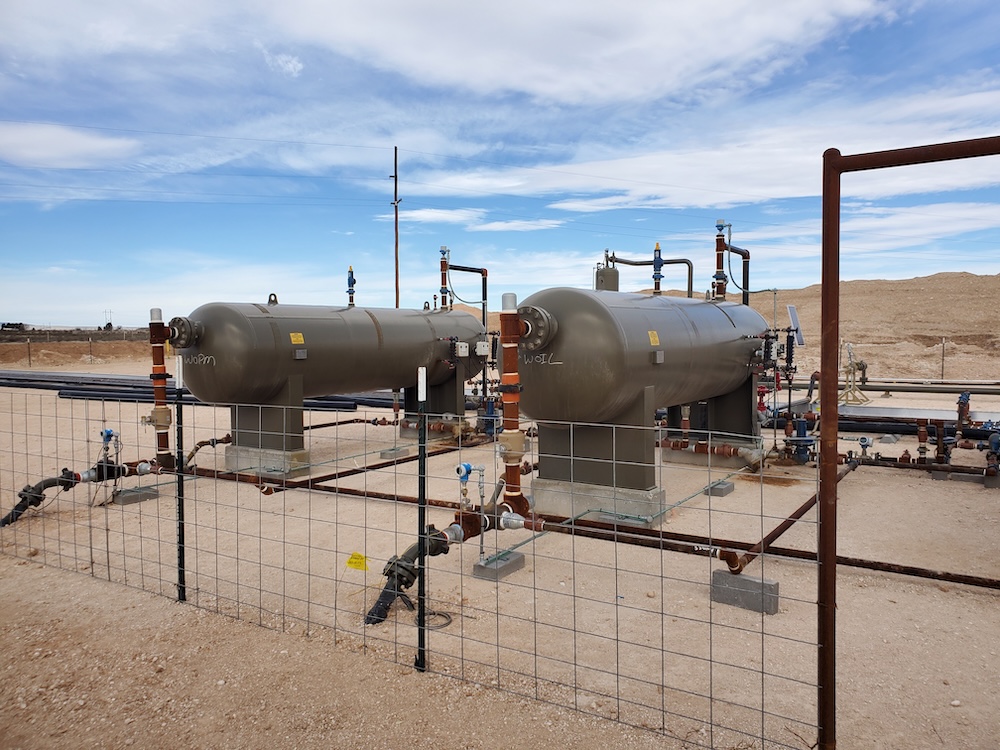

These strategies are often best suited for investors who have already established a strong foundation of traditional assets and are seeking new ways to enhance diversification and preserve wealth over the long term. Because these assets are less connected to daily market fluctuations, they can serve as a stabilizing force within a diversified portfolio and act as a hedge against inflation, as both real estate and energy commodities tend to retain or increase value when the cost of goods and services rises.
Additionally, incorporating alternative investments into our portfolios gives us a competitive advantage over many traditional financial planning firms, allowing us to offer diversified, tangible, and often tax-advantaged strategies that many advisors do not provide. For investors looking to create a more resilient portfolio and pursue opportunities grounded in tangible assets, alternative investments can play a critical and strategic role.
Frequently Asked Questions
1. What exactly are alternative investments?
2. Why should I include alternative investments in my portfolio?
3. Are alternative investments risky?
4. What types of alternative investments do you offer?
5. How do oil and gas investments work?
6. What are the tax benefits of alternative investments?
7. How can I tell if alternative investments are right for me?
8. What is an accredited investor?